
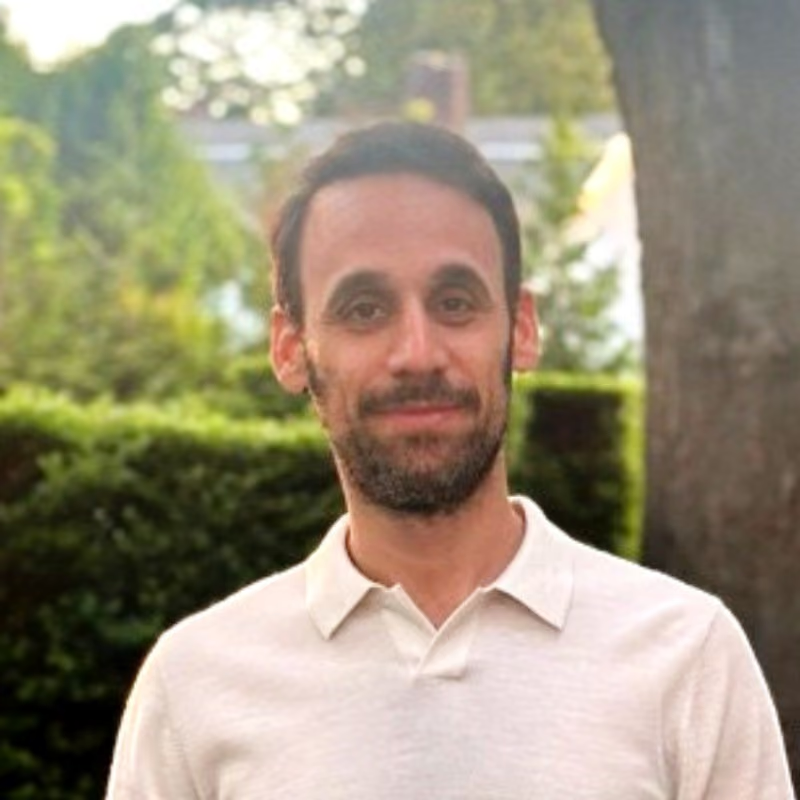
I grew up in a house where mental health was a constant topic of conversation. My mother, a therapist, and my father, a psychiatrist, emphasized its importance, and its inextricable link with physical health. Years later, I started Headway, a company meant to fix a broken system I encountered personally—help adults get access to care by making it easier for therapists to accept insurance.
I left Headway after 5 years to become a teacher, and landed at a low-income charter school in Brooklyn. I stepped into a classroom full of teenagers already fluent in the new vocabulary of harm: cyberbullying, the fluid and contested edges of gender and identity, addiction to phones and social media, dependence on vapes. Our sole school counselor’s office was full. Always full. She had no clinical training, and yet she assumed responsibility for the mental health of hundreds of kids. She did the best she could, counseling a small fraction of the students who needed it, and sent the rest out for care—to community clinics, to sit on monthslong waitlists that only seemed to get longer.
I knew there were therapists who would have wanted to help, and who could have. But doing so required accepting Medicaid, which covers nearly half of American children and all of the students in my class. And Medicaid is hard and slow, much too difficult for private practice therapists to navigate on their own, and too demanding of time they don’t have. So the kids most in need of care are the ones who sat waiting.
The Context
Kids live within a unique care structure. Unlike adults, they are observed and “managed” by a constellation of others—parents, teachers, school counselors, therapists.
It’s hardly a secret that these parties rarely coordinate. They each hold pieces of the picture – a mother knows what her son is struggling with at home, a school counselor understands his triggers at school, and so on—but they rarely collaborate, and for a simple reason: It’s too hard. There is no product, service, or system designed to recognize that the governance of youth mental health is fundamentally multi-party, and that care should be designed first and foremost for collaboration.
Until that changes, kids, particularly our most vulnerable, will remain underserved. Therapists don’t have the tools to accept Medicaid, nor the infrastructure to collaborate with schools and parents. They’ll stay outside of insurance networks, and out of reach for families who need them most. And the fallout of unmanaged mental health issues will accelerate: declining classroom engagement, poor academic performance, absenteeism, eroded self-image, and unacceptably high levels of suicidality among our youngest generation.

Lorem ipsum dolor sit amet, consectetur adipiscing elit. Proin vitae felis quis diam consequat sodales quis sed velit pellentesque dapibus
downloadnew te
call to action“I stepped into a classroom full of teenagers already fluent in the new vocabulary of harm: cyberbullying, the fluid and contested edges of gender and identity, addiction to phones and social media, dependence on vapes. Our sole school counselor’s office was full. Always full.”
image
image
image